
Arriving & settling
Finding Rental Housing in Japan: From Search to Signed Lease
How renting (賃貸) works in Japan: initial costs such as deposit (敷金) and key money (礼金), guarantors (保証人) and guarantor companies (保証会社), and the contract (契約) steps in order.
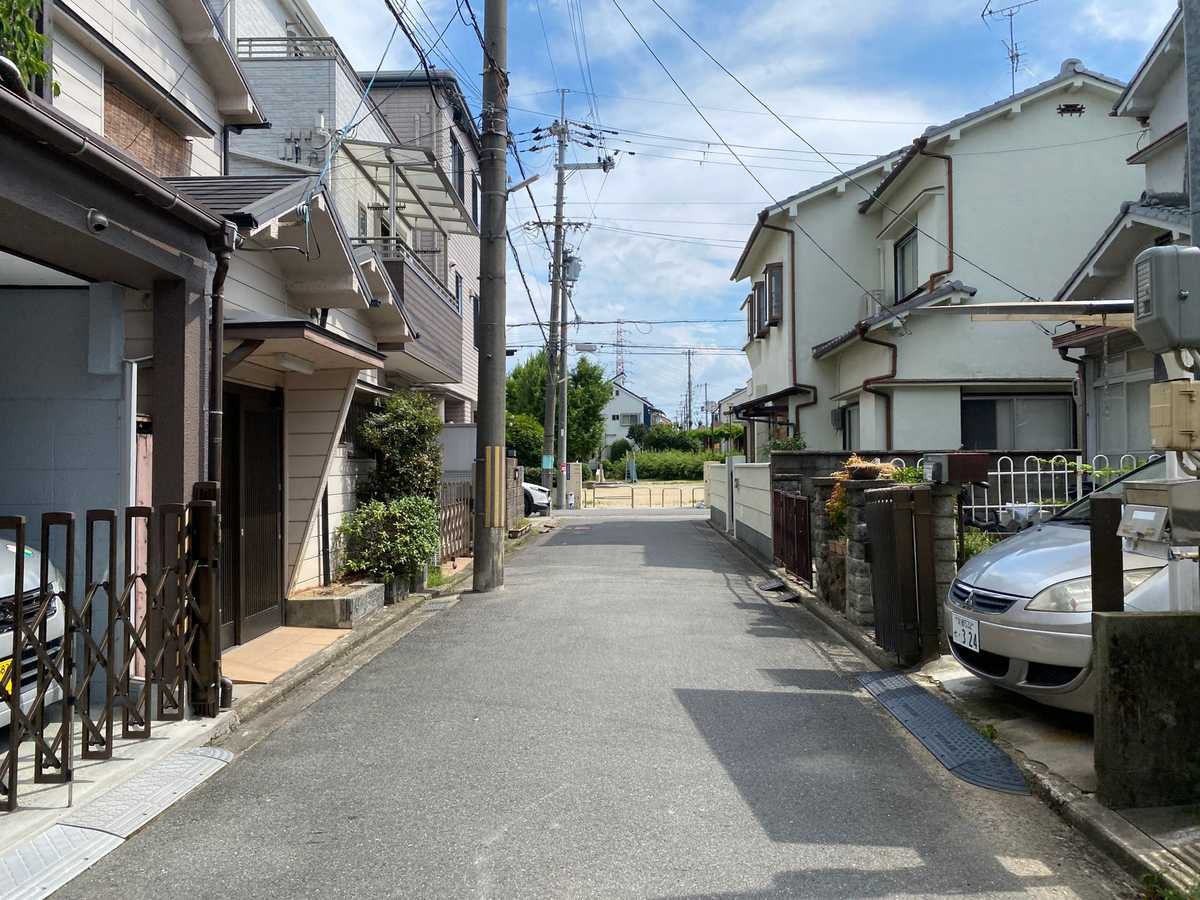
Key takeawayPrepare a newcomer to search, apply, and sign a residential lease with realistic expectations about documents, guarantor requirements, and move-in procedures, verified against official housing guidance.
1. How the search works: agents, listings, and key vocabulary
Most private rentals (賃貸, chintai) are handled by licensed real estate agencies (不動産会社, fudōsan-gaisha). Listings state rent (家賃, yachin), management fee (管理費), floor plan, and initial costs. Two terms appear constantly: shikikin (敷金), a refundable deposit held against unpaid rent and restoration costs, and reikin (礼金), a non-refundable payment to the landlord that is customary in some regions and absent in others. Neither has a single national price — verify the exact amounts for any property in writing from the agency.
Practical sequence: 1) Decide your non-negotiables — commute, budget including management fee, earliest move-in date. 2) Visit or contact agencies in the area you want, with your status of residence and employment or enrolment details ready. 3) For any property, request a written estimate (見積書) of all initial costs before applying. 4) View the property in person where possible and check water pressure, mobile signal, waste-collection rules, and noise at the time of day you will be home.
Public and subsidised housing exists through bodies such as UR and local housing corporations, each with its own eligibility rules. Check eligibility and application windows on the operator's official site rather than assuming open application.
2. Applying: documents, guarantor (保証人), and guarantor company (保証会社)
Applications commonly request identification (residence card 在留カード and passport), proof of income or enrolment, and an emergency contact. Many landlords also require either a joint guarantor (保証人, hoshōnin) — a person who accepts liability if you do not pay — or a contract with a guarantor company (保証会社, hoshō-gaisha) that performs a screening and charges a fee, verified per property at the source.
Newcomers without a guarantor in Japan usually use a guarantor company arranged through the agency. Ask: which company, what screening documents they need, what the initial and renewal fees are, and what happens if a payment is late. Get the answers in writing; fees and terms vary by company and property, so this guide quotes no figures.
Screening (審査, shinsa) can take several days and is not a formality: incomplete documents are the most common cause of delay. Respond to agency requests the same day, keep your phone reachable, and do not pay holding fees to any party you cannot identify as the licensed agency handling the property.
3. Signing: the explanation of important matters and the lease (契約)
Before you sign a lease (賃貸借契約, chintaishaku keiyaku), a licensed real estate transaction specialist (宅地建物取引士, takuchi tatemono torihikishi — often shortened to 宅建士) must deliver an explanation of important matters (重要事項説明, jūyō jikō setsumei) covering the property, costs, and contract conditions. This is a legal safeguard under the Real Estate Brokerage Act administered by the Ministry of Land, Infrastructure, Transport and Tourism (国土交通省). Listen carefully, ask questions before signing, and keep the document.
Check in particular: the lease term and renewal (更新) procedure and fee, rules on restoration at move-out (原状回復) and how the deposit (敷金) is settled, prohibited uses and guest or subletting rules, and what happens on early termination (解約) including notice period. If anything differs from what you were told during the search, raise it before signing, not after.
Initial payments are normally made by bank transfer before key handover. Pay only against an invoice from the agency or landlord named in the contract, and keep transfer receipts with your lease.
4. Moving in: utilities, registration, and neighbourhood basics
On move-in, photograph every room and existing mark or damage, and submit the condition record to the agency promptly — this protects your deposit at move-out. Arrange electricity, gas, and water start dates; gas often requires an in-person opening appointment, so book it as soon as your move date is fixed. Verify each utility's application method on its official site.
Within the period explained at city hall guidance, register your new address (転入届) at the municipal office and have your residence card updated. Then introduce yourself to the building manager if there is one, confirm waste-sorting and collection days (ごみ出し rules are set by each municipality), and locate your nearest ward office, clinic, and station.
Keep the full set — lease, important-matters explanation, deposit receipts, condition photos — together for the whole tenancy. You will need them at renewal and again at move-out settlement.
Sources
- Ministry of Land, Infrastructure, Transport and Tourism (国土交通省)Ministry of Land, Infrastructure, Transport and Tourism — Housing (English)
- Real Estate Transaction Promotion Center (不動産適正取引推進機構)Real Estate Transaction Promotion Center (RETIO)
- Tokyo Metropolitan Government (東京都)Tokyo Metropolitan Government — Housing policy information
Related articles

Moving to Japan: First Steps Before and After You Land
A practical sequence for your first two weeks in Japan: status of residence, residence card (在留カード), municipal registration, and the documents to prepare before you travel.
Arriving in Japan: Connectivity, SIM Cards, and Your First Phone Contract
How to get connected on day one and choose a mobile contract in your first month: what identification providers ask for, how address registration affects sign-up, and where to verify current plans.
City Hall Registration and Setup: Address, My Number, Health Insurance, and Pension
What happens at the municipal office (市区町村役場): moving-in notification (転入届), residence record (住民票), My Number (マイナンバー), National Health Insurance, and pension — in one planned visit sequence.